
Expert Insights: The Future of Minimally Invasive Plastic Surgery


The Rise of Minimally Invasive Procedures
In recent years, minimally invasive plastic surgery has gained significant traction. These procedures offer a less intrusive alternative to traditional surgeries, promising quicker recovery times and reduced risks. As technology evolves, these methods are becoming even more refined and accessible, attracting a broader range of individuals looking for cosmetic enhancements without the downtime.
Minimally invasive techniques often involve smaller incisions, leading to less scarring and discomfort. This advancement is particularly appealing to those who wish to achieve their aesthetic goals discreetly. The demand for such procedures is expected to continue rising as more people prioritize convenience and safety.

Technological Advancements Driving Change
Technological innovations are at the heart of the shift towards minimally invasive plastic surgery. Tools such as laser therapy, radiofrequency, and ultrasound are increasingly being used to perform a variety of procedures. These technologies allow for precision and control that were previously unattainable, enhancing both the efficacy and safety of treatments.
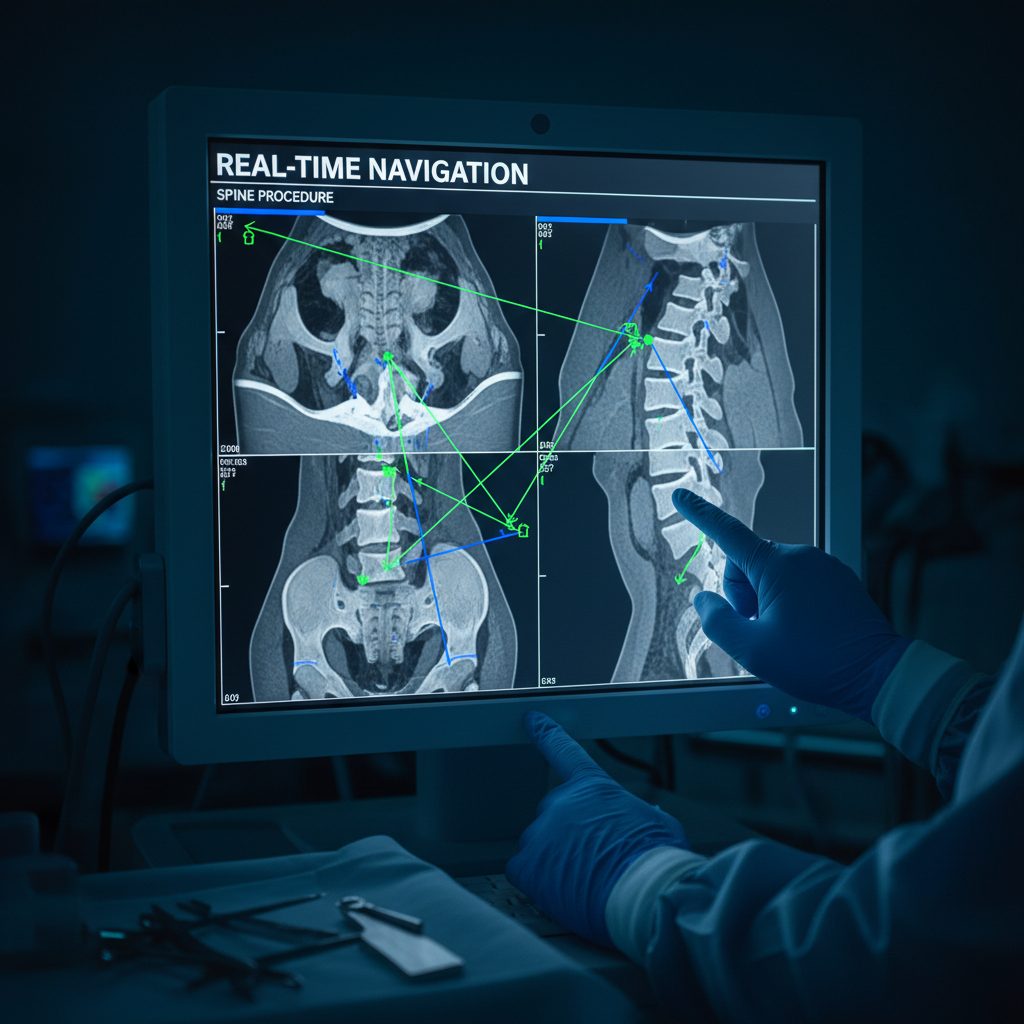
Furthermore, the integration of AI and robotics in surgery is on the horizon. These advancements promise to further reduce human error and improve outcomes. As these technologies become more widespread, patients can expect even more refined results with minimal downtime.
Popular Minimally Invasive Procedures
Several minimally invasive procedures are currently leading the way in modern cosmetic surgery. Some of the most popular include:
- Botox and Fillers: These treatments are well-known for reducing the appearance of wrinkles and adding volume to the face.
- Liposuction: New techniques allow for fat removal with minimal incisions.
- Laser Skin Resurfacing: This method improves skin texture and appearance with minimal recovery time.
As these procedures become more advanced, their popularity is likely to increase, offering patients effective solutions with fewer complications.

The Role of Patient Education
With the growing popularity of minimally invasive procedures, patient education has become crucial. Patients need to be well-informed about the potential risks and benefits, as well as the realistic outcomes of these treatments. Surgeons are placing a stronger emphasis on consultations to ensure clients have a clear understanding of what to expect.
Educational resources, both online and in clinics, are expanding to provide comprehensive information. This approach not only empowers patients but also helps them make informed decisions, leading to higher satisfaction rates.
The Future Landscape
Looking ahead, the future of minimally invasive plastic surgery is bright. As techniques and technologies continue to advance, we can expect even more innovative solutions that prioritize patient comfort and satisfaction. The industry is likely to see an increase in personalized treatments, with procedures tailored to individual needs and preferences.
Overall, the trend towards minimally invasive options reflects a broader shift in the medical field towards treatments that are less disruptive to patients' lives. This focus on efficiency and effectiveness will continue to shape the future of cosmetic surgery.