
Frequently Asked Questions: Non-Surgical Treatments Explained


Understanding Non-Surgical Treatments
With advances in medical technology, non-surgical treatments have become increasingly popular. These procedures offer effective solutions with minimal downtime, making them an attractive option for many. Here, we address some frequently asked questions to help you understand what these treatments entail.
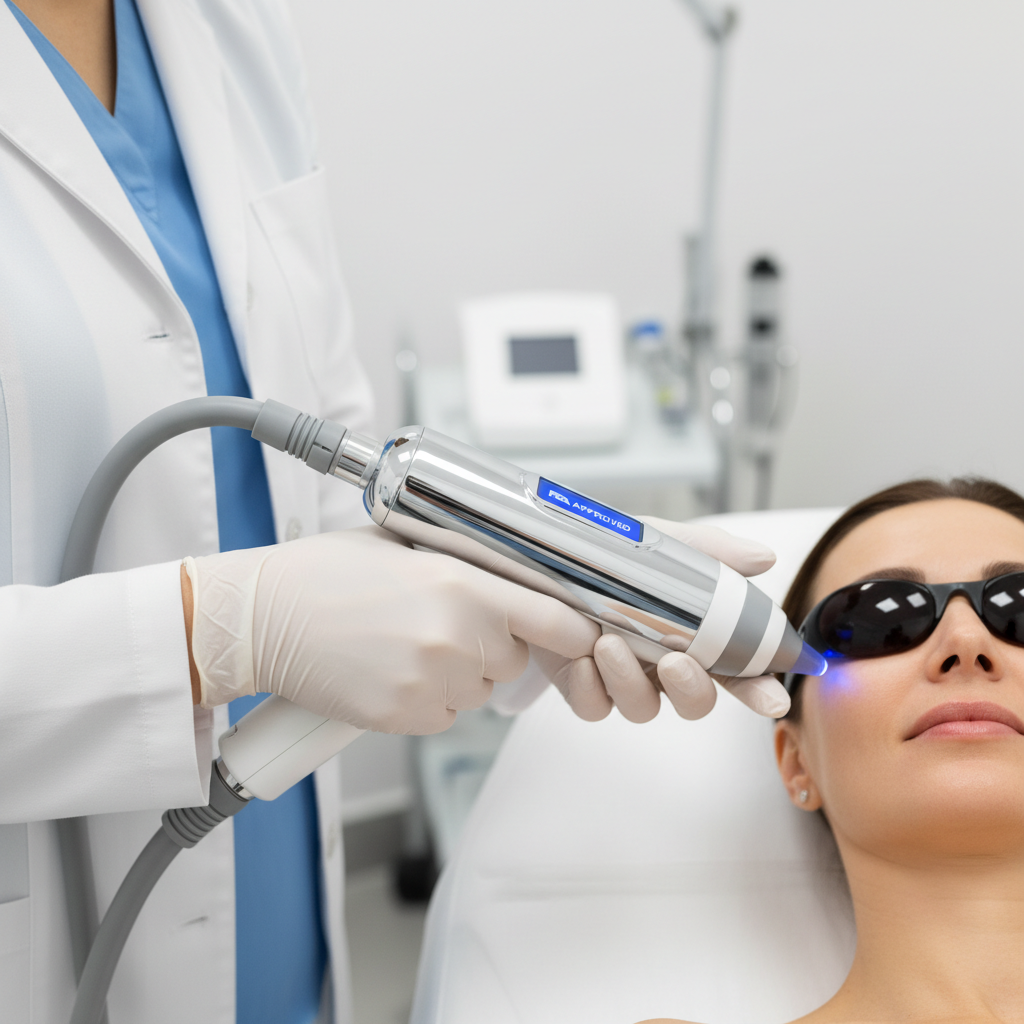
What Are Non-Surgical Treatments?
Non-surgical treatments refer to procedures that do not require incisions or significant recovery time. They typically involve less risk than traditional surgery and can be used for a variety of purposes, including cosmetic enhancements and medical conditions. Common examples include Botox, fillers, laser treatments, and chemical peels.
Benefits of Non-Surgical Treatments
One of the primary benefits of non-surgical treatments is the reduced recovery time. Most patients can resume their daily activities almost immediately. Additionally, these treatments are usually less painful and involve fewer risks than surgical options.
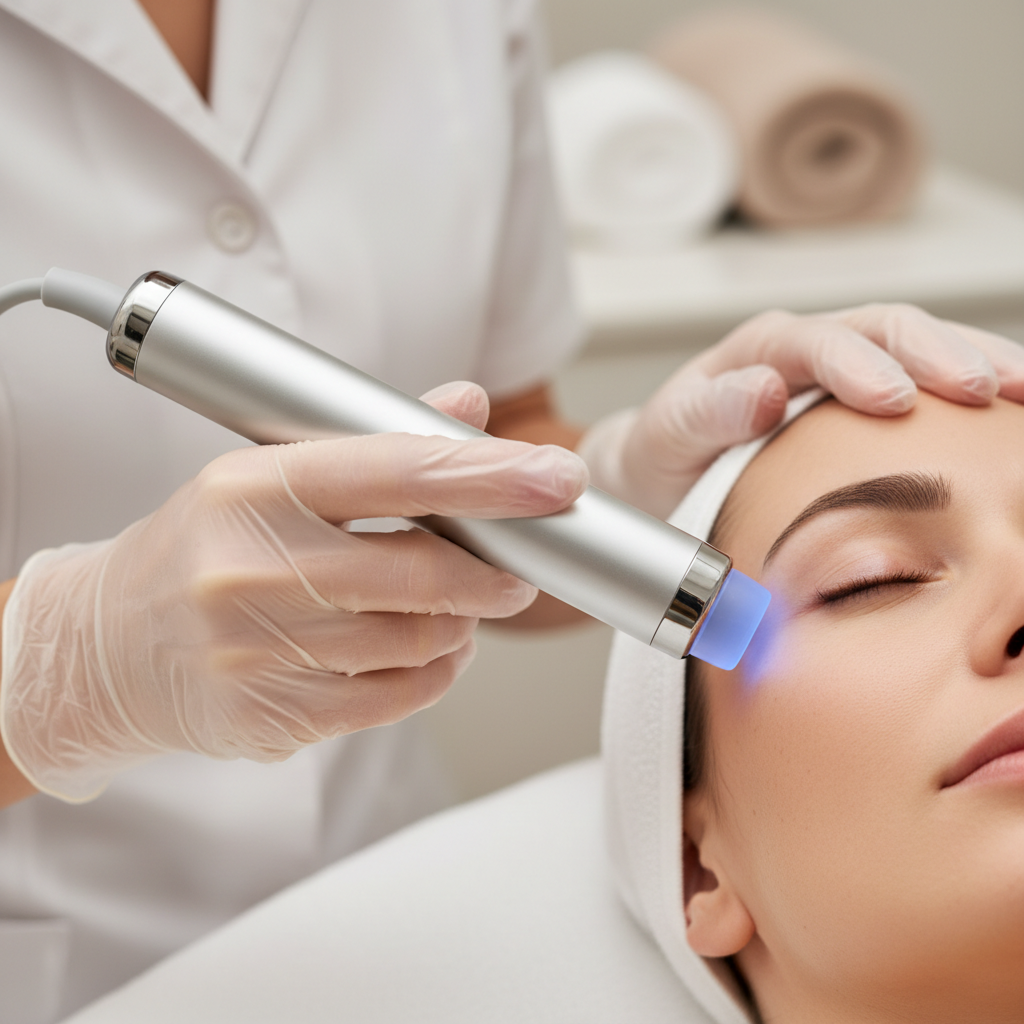
Are Non-Surgical Treatments Safe?
When performed by qualified professionals, non-surgical treatments are generally safe. It is crucial to choose a reputable clinic with trained practitioners. Always ensure that the facility follows proper hygiene and safety protocols to minimize any potential risks.
Types of Non-Surgical Treatments
There is a wide range of non-surgical treatments available, each designed to address different concerns. Some popular options include:
- Injectables: Botox and dermal fillers are used to reduce wrinkles and add volume.
- Laser Treatments: Used for skin resurfacing, hair removal, and treating pigmentation.
- Microneedling: Stimulates collagen production for smoother skin.
- Ultrasound Therapy: Tightens and lifts the skin without surgery.
How Long Do the Results Last?
The duration of results varies depending on the type of treatment. For instance, Botox typically lasts 3-6 months, while fillers can last up to a year. Laser treatments might provide longer-lasting results. It's important to consult with your practitioner for specific timelines.
Considerations Before Undergoing Treatment
Before opting for a non-surgical treatment, consider your goals and any underlying health conditions. Discuss these with your practitioner to ensure the selected treatment is suitable for you. It's also essential to have realistic expectations about the outcomes.
For more information or personalized advice, schedule a consultation with a certified professional. Non-surgical treatments can be an excellent way to enhance your appearance or address medical concerns with minimal disruption to your life.