
Gynecomastia: Grades, Causes, Diet, and Treatment Options


Gynecomastia: Grades, Causes, Diet, and Treatment Options
Gynecomastia is the enlargement of male breast tissue. It is more common than many people think and can occur in adolescents or adult men, often causing cosmetic concerns and emotional discomfort.
It is important to understand that not all cases are the same. There are different grades, multiple causes, and in some cases, improvement can be achieved through lifestyle changes.
In this article, we explain the most important information you should know.
What is Gynecomastia?
Gynecomastia is the enlargement of male breast tissue caused by the growth of glandular breast tissue.
It should not be confused with pseudogynecomastia, which occurs when the increase in breast size is due only to fat accumulation.
Both conditions may coexist and require proper medical evaluation to determine the most appropriate treatment.
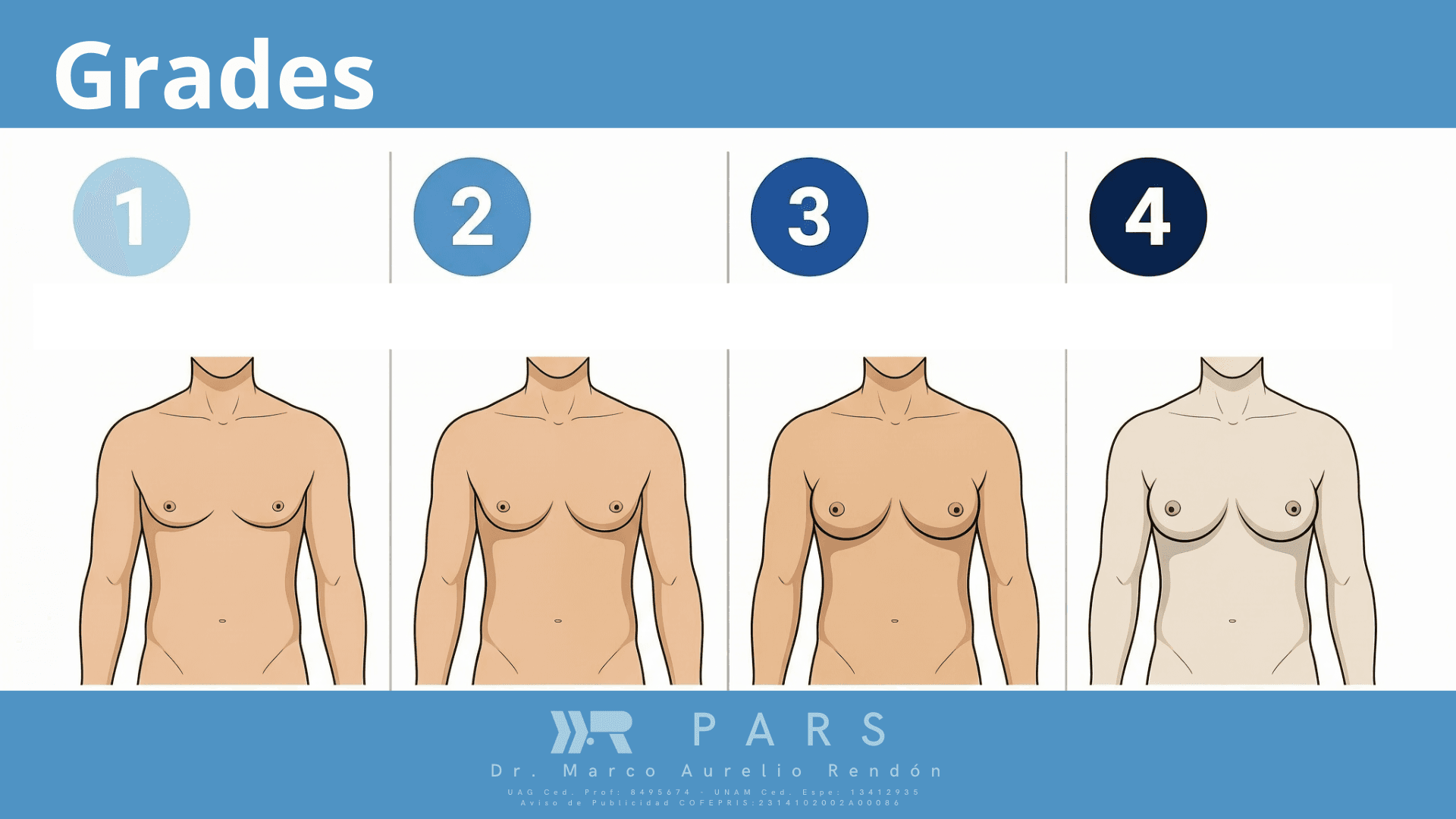
Grades of Gynecomastia
Gynecomastia is classified into grades, which helps determine the best treatment approach.
Grade I
- Mild enlargement of breast tissue
- No excess skin
- May appear as a small firm breast button
- In some cases, it may improve with diet and exercise
Grade II
- Moderate breast enlargement
- Slight excess skin may be present
- The chest becomes more visibly enlarged
- Grade III
- Significant breast enlargement
- Noticeable excess skin
- Chest appearance may resemble female breasts
Grade IV
- Severe gynecomastia
- Large volume and redundant skin
- Surgical treatment is usually required
A medical consultation is necessary to determine the exact grade and recommend the most appropriate treatment.
Causes of Gynecomastia
Gynecomastia can have multiple causes and often results from a hormonal imbalance between estrogen and testosterone.
Common causes include:
- Hormonal Changes
- Puberty
- Aging
- Decreased testosterone levels
- Medications
Some medications may contribute to gynecomastia:
- Anabolic steroids
- Hormonal medications
- Some antidepressants
- Certain prostate medications
- Associated Medical Conditions
- Obesity
- Liver disease
- Hormonal disorders
- Thyroid disorders
- Substance Use
- Alcohol
- Marijuana
- Anabolic steroids
A proper medical evaluation helps identify the cause and guide treatment.
Foods That May Worsen Gynecomastia
Although foods alone rarely cause gynecomastia, some may promote fat gain or influence hormonal balance.
It is recommended to limit:
- Ultra-processed foods
- Refined sugars
- Alcoholic beverages
- Foods high in saturated fats
- High-calorie processed meals
- Excessive intake of soy-based products (in large amounts)
- Maintaining a balanced diet may help control breast enlargement, especially in mild cases.
Recommended Diet for Gynecomastia
A healthy diet may help reduce body fat and improve chest appearance.
Recommended foods include:
- Lean proteins (chicken, fish, eggs)
- Green vegetables
- Fresh fruits
- Healthy fats (avocado, nuts, olive oil)
- Zinc-rich foods
- Vitamin D–rich foods
Additional recommendations:
- Reduce sugar intake
- Avoid sugary drinks
- Maintain proper hydration
Recommended Exercise
Exercise helps reduce body fat and strengthen the chest muscles.
Helpful exercises include:
- Chest press
- Push-ups
- Cardiovascular exercise
- Weight training
- High-intensity interval training (HIIT)
It is important to understand that exercise does not eliminate glandular tissue, but it can significantly improve appearance in some cases.
When Should Surgery Be Considered?
When gynecomastia does not improve with diet and exercise, surgical treatment may be the best solution.
Surgical options may include:
- Liposuction
- Removal of glandular tissue
- Skin removal in advanced cases
The goal is to achieve a firm, masculine chest contour with minimal scarring.
The Importance of Medical Evaluation
Each case of gynecomastia is different.
Before deciding on treatment, it is essential to have a medical evaluation to:
- Determine the grade of gynecomastia
- Identify possible causes
- Evaluate the most appropriate treatment
- Design a personalized plan
Schedule a Consultation
If you notice enlargement of the chest or changes in chest shape, it is recommended to seek medical evaluation.
In some cases, diet and exercise may help, but when there is no improvement, surgical treatment can provide excellent results.
We will be happy to evaluate your case and recommend the best treatment option for you.
Get Your Quote Now