
The Rise of Minimally Invasive Procedures: What You Need to Know


Understanding Minimally Invasive Procedures
In recent years, the medical field has seen a significant shift towards minimally invasive procedures. These techniques offer patients a less painful alternative to traditional surgeries, with reduced recovery times and lower risks of complications. From cosmetic enhancements to life-saving operations, minimally invasive procedures are transforming the patient experience.
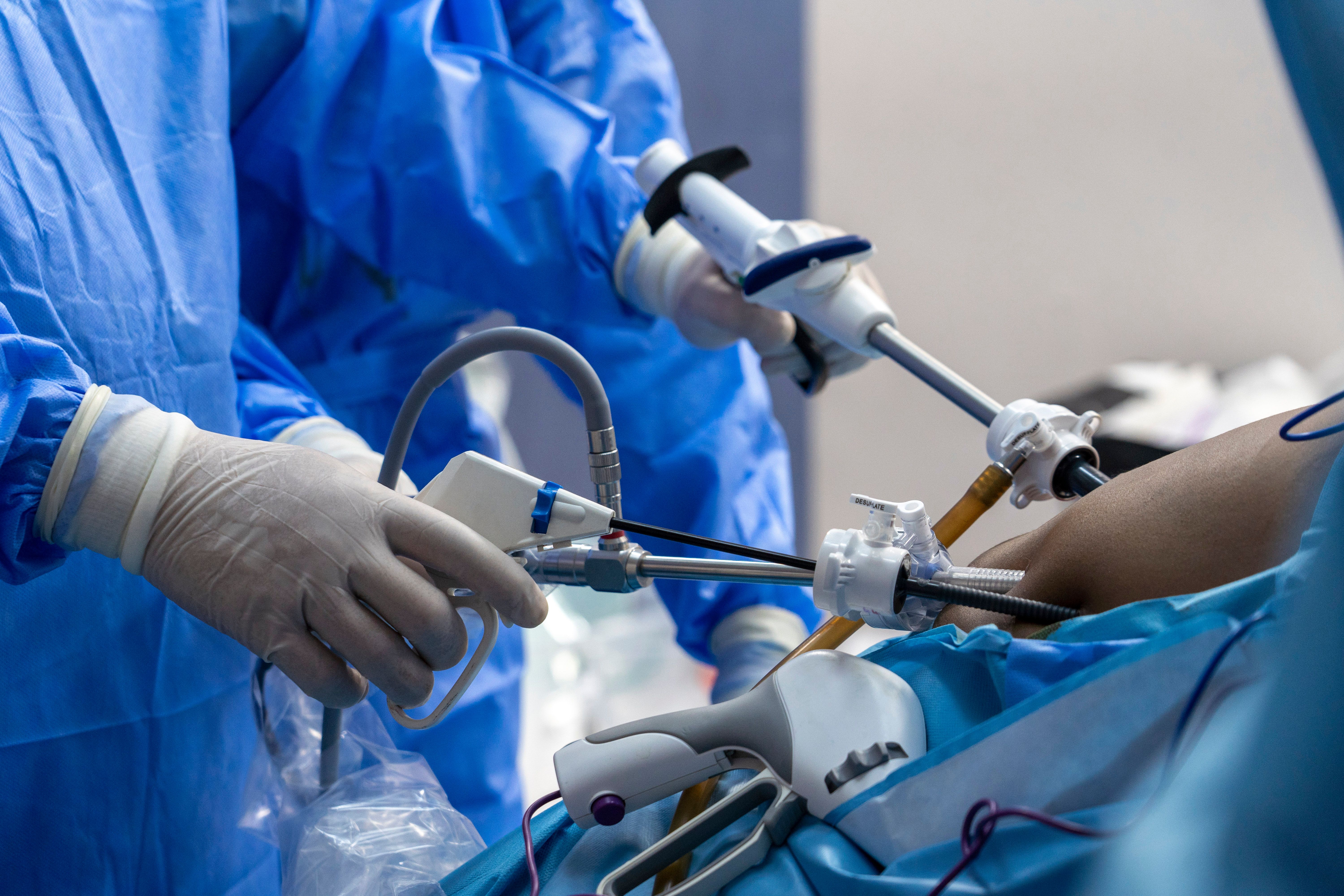
Unlike traditional surgeries that require large incisions, these procedures use advanced technology to perform complex tasks through tiny cuts or even no incisions at all. This innovation results in less damage to the body and often allows patients to return to their daily activities much sooner.
Benefits of Minimally Invasive Techniques
One of the most appealing aspects of minimally invasive procedures is their efficiency. Patients can often expect shorter hospital stays, less postoperative pain, and faster recovery periods. These benefits not only improve the patient's quality of life but also reduce the overall cost of medical care.
Additionally, the smaller incisions used in these techniques mean there is less scarring, which is particularly important in cosmetic procedures. With the growing demand for aesthetic treatments, minimally invasive options provide a desirable alternative for those looking to enhance their appearance without the downtime of traditional surgery.

Common Minimally Invasive Procedures
A wide range of procedures now falls under the minimally invasive category. Some of the most common include:
- Laparoscopic Surgery: Often used for gallbladder removals, appendectomies, and hernia repairs.
- Endoscopic Procedures: Used for diagnostic purposes and treatments within the digestive tract.
- Arthroscopy: Commonly used for joint issues, particularly in the knee and shoulder.
- Laser Surgery: Widely used in dermatology and ophthalmology for precise treatments.
Each of these procedures utilizes different technologies and techniques, but they all share the common goal of reducing patient trauma and speeding up recovery.

Challenges and Considerations
While minimally invasive procedures offer many advantages, they are not without challenges. Not all patients are candidates for these techniques, and certain complex cases may still require traditional surgery. It's essential for patients to consult with their healthcare providers to determine the best approach for their specific medical needs.
Moreover, the success of minimally invasive procedures heavily relies on the skill and experience of the medical professional. As such, ensuring that you choose a qualified and experienced practitioner is crucial for achieving the best possible outcome.

The Future of Minimally Invasive Surgery
The future holds exciting prospects for minimally invasive surgery, with ongoing advancements in technology and techniques. Robotics, for instance, is playing an increasingly significant role, offering even greater precision and control during procedures.
As these innovations continue to evolve, patients can expect even more options and improved outcomes from minimally invasive procedures. This evolution represents a promising step forward in patient care, offering safer, more efficient, and less intrusive medical solutions.