
Understanding Cosmetic Procedures: A Beginner’s Guide


Introduction to Cosmetic Procedures
Cosmetic procedures have gained immense popularity over the past few decades. With advancements in technology and techniques, more people are considering these options to enhance their appearance. Whether you're looking to smooth out wrinkles or reshape your silhouette, understanding the basics of cosmetic procedures is crucial before diving in.
Types of Cosmetic Procedures
There are two main categories of cosmetic procedures: surgical and non-surgical. Each has its own set of benefits and considerations.
Surgical Procedures
Surgical procedures typically involve more significant alterations and a longer recovery period. Some common surgical procedures include:
- Rhinoplasty (nose reshaping)
- Liposuction
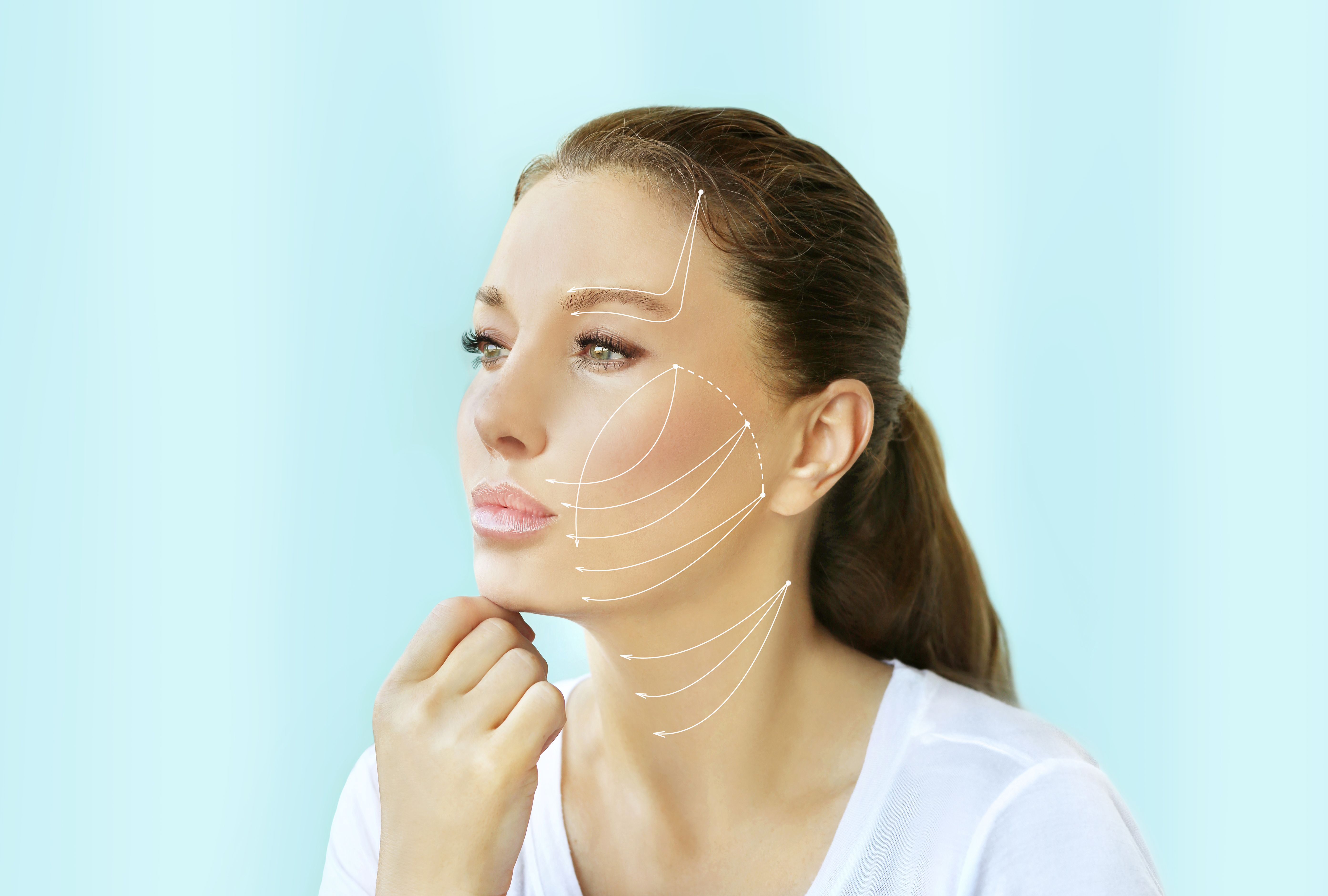
- Facelifts
- Breast augmentation
These procedures are usually performed under anesthesia and require a careful consultation with a board-certified surgeon.
Non-Surgical Procedures
Non-surgical procedures are less invasive and often have shorter recovery times. Popular choices include:
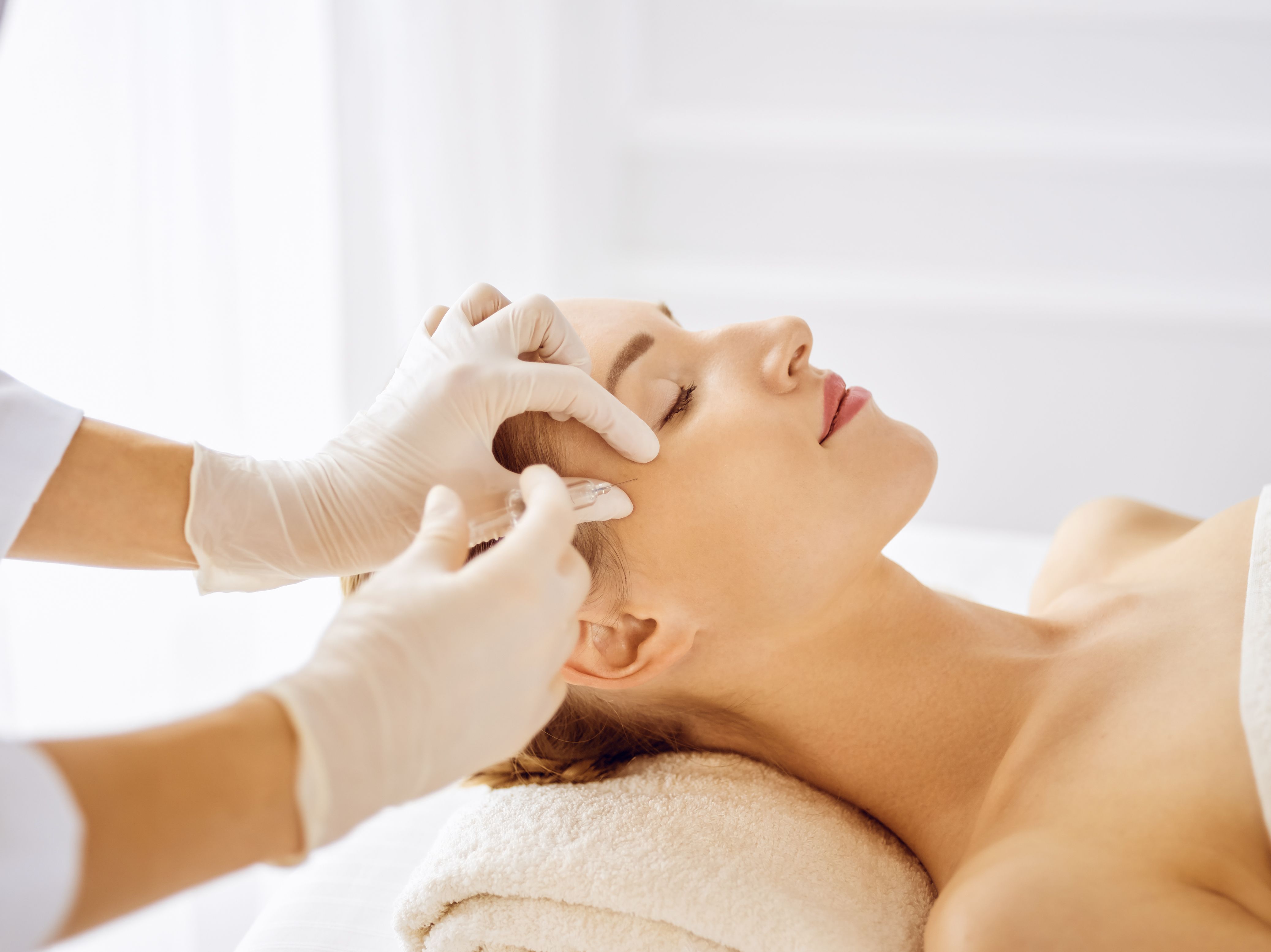
- Botox injections
- Dermal fillers
- Laser hair removal
- Microdermabrasion
These treatments can typically be done in a clinic and may require multiple sessions for optimal results.
Choosing the Right Procedure
Selecting the right procedure depends on your personal goals, health, and budget. It’s essential to consult with a qualified professional who can guide you through the available options and recommend the best course of action.
Consider Your Goals
Before committing to any procedure, consider what you hope to achieve. Are you looking for subtle enhancements or more dramatic changes? Understanding your goals will help in making informed decisions.
Preparing for Your Procedure
Once you’ve decided on a procedure, preparation is key. This may include following specific guidelines provided by your practitioner, such as avoiding certain medications or dietary changes.

Recovery and Aftercare
Recovery times vary depending on the procedure. Surgical procedures may require a few weeks of downtime, while non-surgical options have minimal recovery periods. Adhering to aftercare instructions is crucial for optimal healing and results.
Conclusion
Understanding cosmetic procedures is vital in making informed choices about your body and appearance. By researching and consulting with professionals, you can navigate this journey confidently and safely. Remember, the goal is to enhance your natural beauty and boost your self-esteem.