
Understanding Minimally Invasive Procedures: Trends and Benefits


Introduction to Minimally Invasive Procedures
In recent years, the medical field has experienced a significant shift towards minimally invasive procedures. These techniques are designed to reduce recovery time, minimize pain, and lower the risk of complications compared to traditional surgeries. With advancements in technology, these procedures are becoming increasingly popular across various specialties.
What Are Minimally Invasive Procedures?
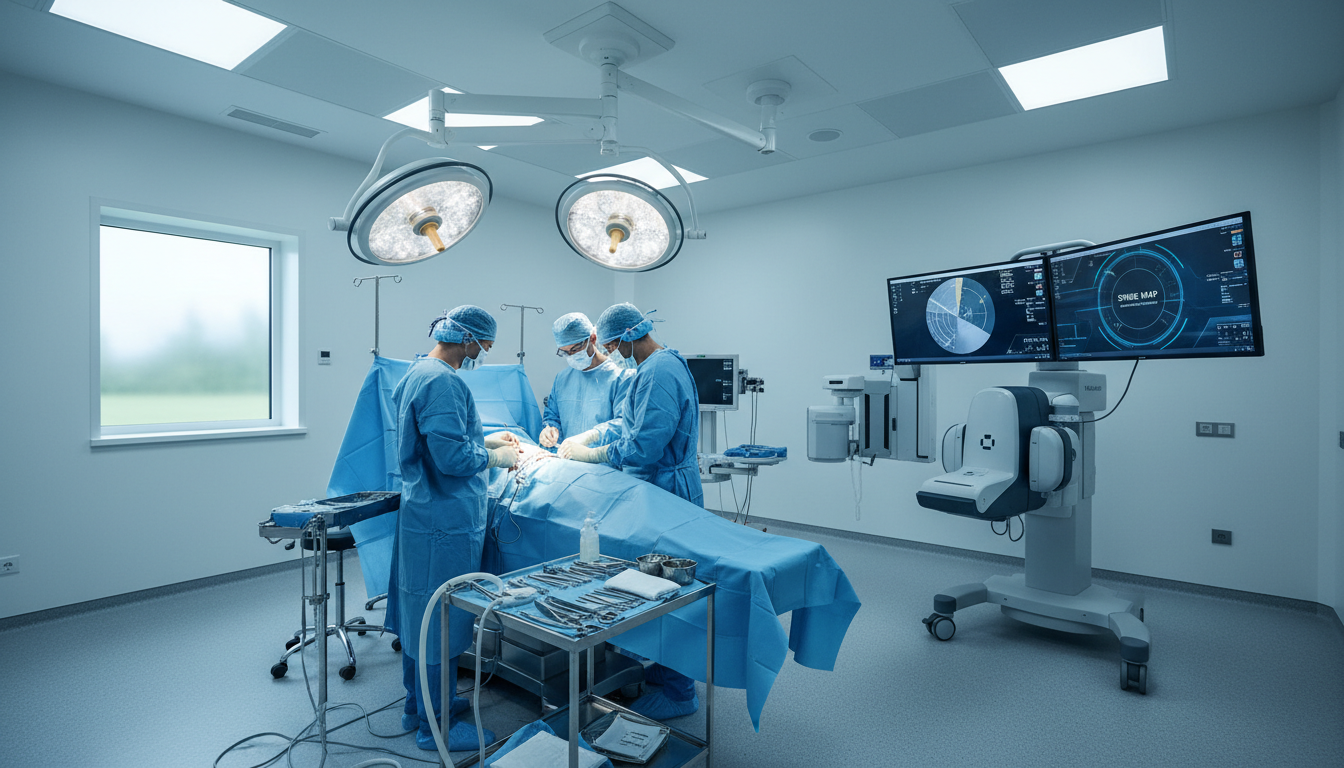
Minimally invasive procedures involve small incisions, often using specialized instruments and cameras to perform surgeries. Unlike traditional open surgery, these techniques require only a few tiny cuts, leading to less trauma to the body. Common examples include laparoscopic surgeries, endoscopic procedures, and robotic-assisted surgeries.
These procedures are often performed on an outpatient basis, allowing patients to return home the same day. This convenience, coupled with the reduced physical impact, makes them an attractive option for many patients.
Benefits of Minimally Invasive Procedures
There are numerous benefits to choosing minimally invasive procedures over traditional surgery. Here are some of the most notable advantages:
- Reduced pain and discomfort: Smaller incisions mean less disruption to the body, resulting in less pain during recovery.
- Faster recovery time: Patients often experience quicker healing and return to normal activities sooner.
- Lower risk of infection: With fewer and smaller incisions, the risk of infection is significantly decreased.
- Less scarring: Tiny cuts lead to minimal scarring, which is cosmetically preferable for many patients.
Trends in Minimally Invasive Procedures
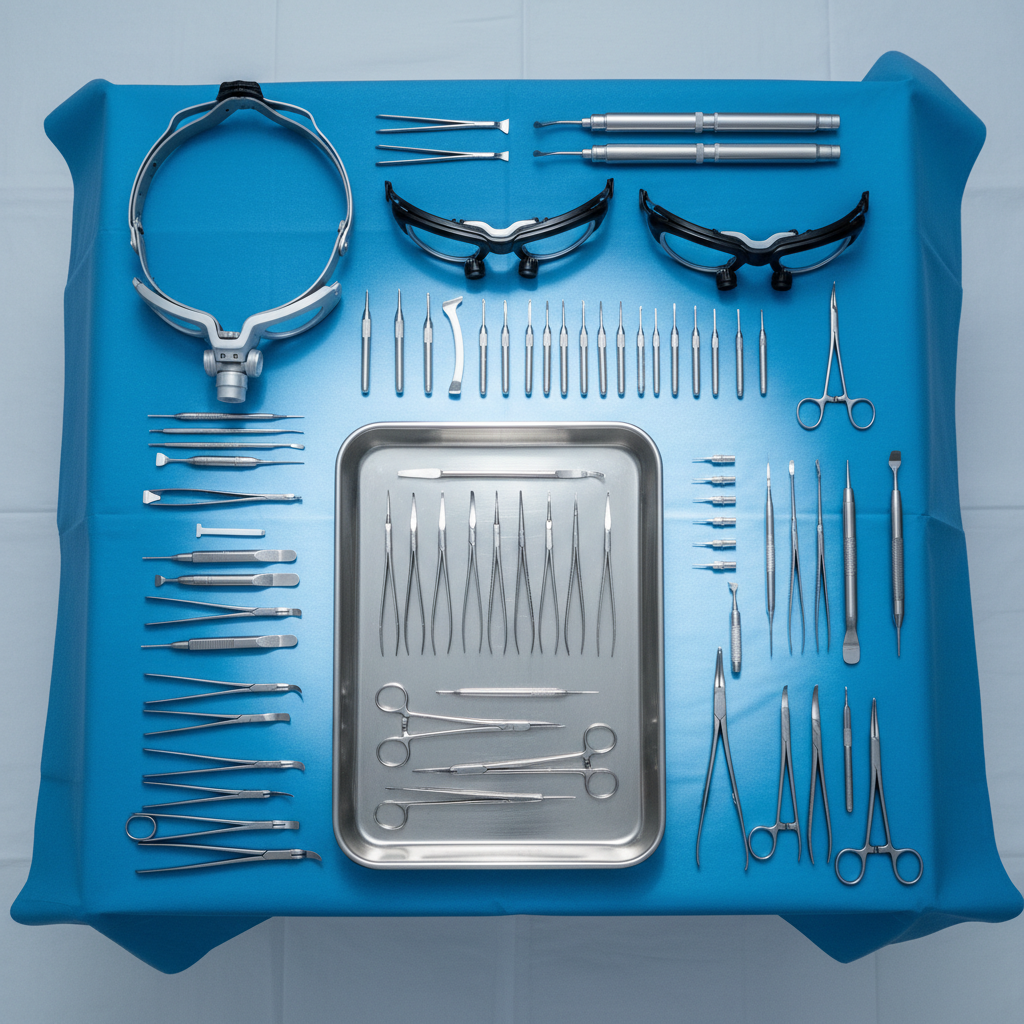
The field of minimally invasive procedures is rapidly evolving, with new technologies and methods continually emerging. One of the significant trends is the use of robotic-assisted surgeries. These advanced systems provide surgeons with enhanced precision and control, leading to better outcomes for patients.
Another trend is the increased use of imaging technologies, such as MRI and CT scans, to guide surgeries. These tools allow for real-time visualization, improving the accuracy of the procedures and further reducing risks.
Common Applications
Minimally invasive techniques are being applied across numerous medical fields. Some of the most common applications include:
- Orthopedic surgeries: Procedures like arthroscopy allow for joint repairs with minimal disruption.
- Cardiac procedures: Techniques such as angioplasty and stent placements are performed with small incisions.
- Gynecological surgeries: Laparoscopic methods are often used for hysterectomies and other pelvic surgeries.
- Gastrointestinal procedures: Endoscopic techniques facilitate treatments of various digestive disorders.
The Future of Minimally Invasive Procedures
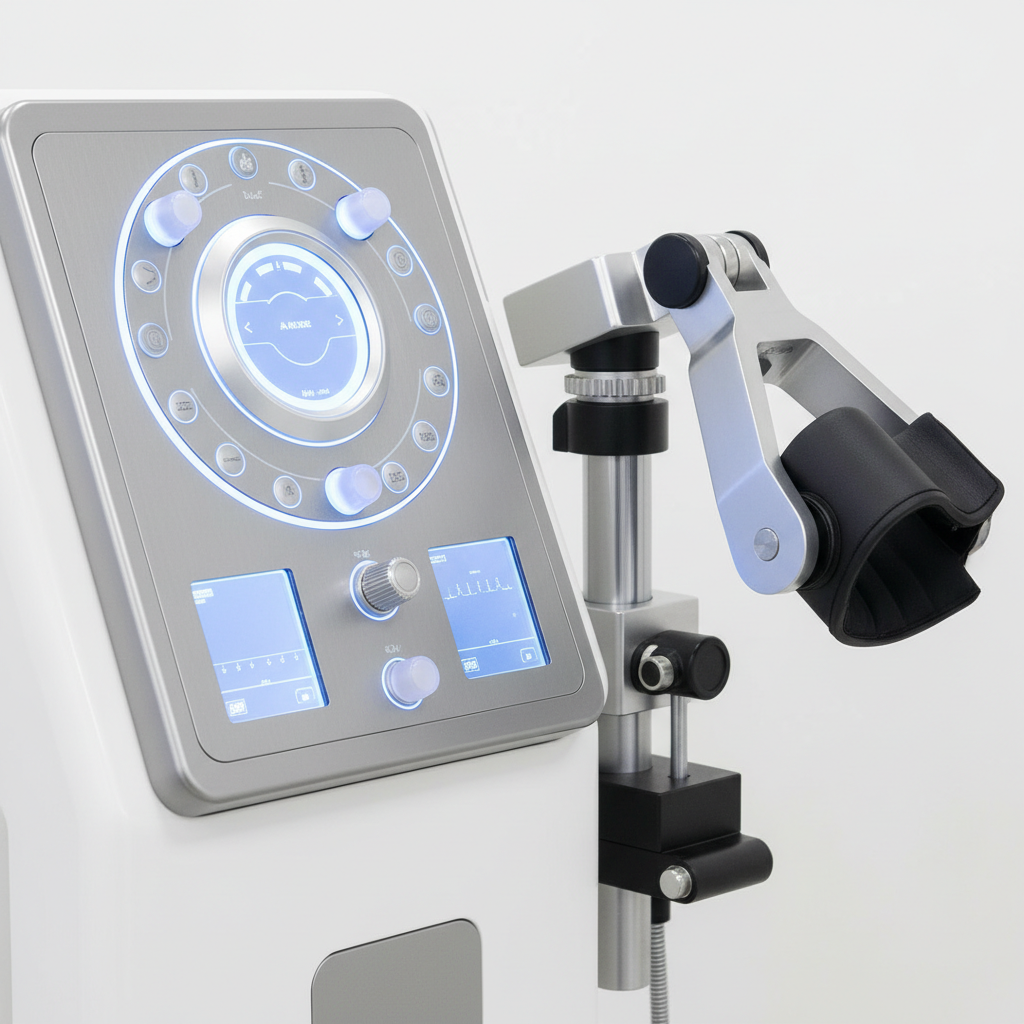
The future of minimally invasive procedures looks promising, with ongoing research and development paving the way for even more innovative approaches. As technology continues to advance, these procedures will likely become more prevalent, offering patients safer, more efficient options for treatment.
As awareness grows and more healthcare providers adopt these techniques, patients can expect continued improvements in medical care quality and accessibility.